
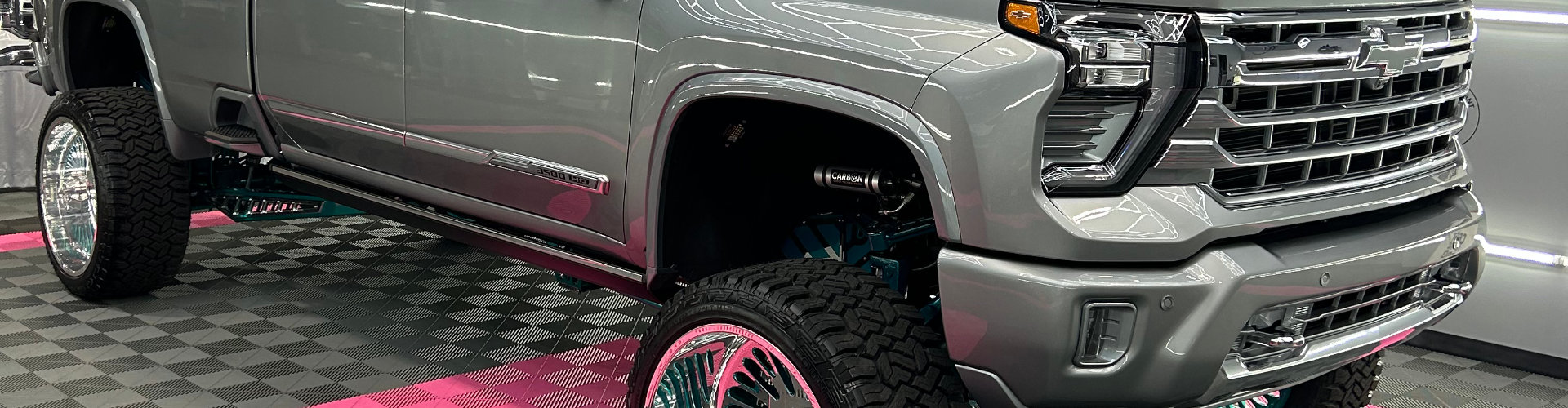
Is Paint Protection Film in Bluffton Worth the Upgrade
Most car owners think about protection after the damage shows up. A chip here, a scratch there, maybe some fading from the sun. By then, you're looking at touch-ups or worse — a full repaint. Paint protection film flips that script. It's not a fix. It's a shield. And in Bluffton, where salt air meets scorching sun and road debris flies at highway speed, that shield matters more than most people realize.
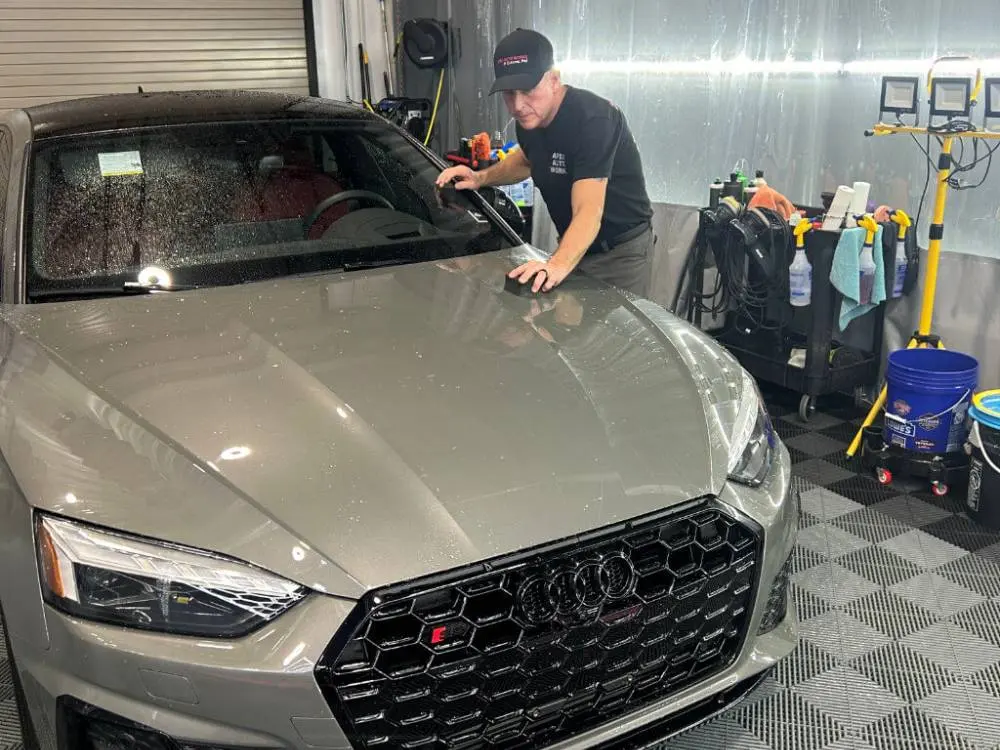
So here's the reality. If you're driving something you care about — something you want to keep looking sharp — PPF isn't just cosmetic insurance. It's a calculated move that pays off in resale value, maintenance savings, and the simple fact that your car won't look beat up in three years. But only if you understand what you're buying and why it works.
The Film Itself Does More Than Sit There
Paint protection film isn't just a clear sticker. It's a urethane layer engineered to absorb impact, resist stains, and in many cases, heal itself when minor damage occurs. That self-healing tech isn't marketing fluff — heat from the sun or warm water triggers the polymer to smooth out light scratches. It won't fix a gouge, but it handles the daily wear that adds up over time.
The film goes on invisible when installed right. No haze, no edges, no weird texture. You can cover the whole vehicle or focus on high-risk zones like the hood, fenders, mirrors, and bumpers. Either way, the goal is the same — keep the factory paint intact and untouched by everything the road throws at it.
Bluffton's Environment Isn't Doing Your Paint Any Favors
Living near the coast means your car is constantly exposed to conditions that accelerate deterioration. Salt doesn't just sit on the surface — it works its way into chips and scratches, speeding up rust and corrosion. UV rays break down clear coat over time, leaving paint dull and oxidized. Add in the humidity, pollen, and bug splatter, and you've got a recipe for premature aging.
PPF blocks all of it. The film acts as a barrier between your paint and the elements, so salt can't penetrate, UV rays can't fade the finish, and contaminants wash off without leaving a mark. It's not about babying your car — it's about giving it a fighting chance against an environment that's actively working against it.
What You Actually Get From the Upgrade
We've seen plenty of drivers hesitate because they're not sure what they're paying for. Here's the breakdown of what PPF delivers when it's done right:
- Rock chips and road debris bounce off instead of chipping through to bare metal
- Minor scratches from brushes, keys, or careless parking disappear with heat exposure
- Stains from bugs, bird droppings, and tree sap wipe away without etching into the paint
- UV protection keeps your color from fading or turning chalky over time
- Resale value stays higher because the original paint remains in showroom condition
The Math on Cost Versus Payoff
PPF isn't cheap. Full-body coverage runs into the thousands, and even partial front-end protection requires a real investment. But compare that to the cost of repainting a hood or blending panels after a few years of chips and sun damage. A quality paint job isn't a few hundred bucks anymore — it's a multi-thousand-dollar hit, and it never looks quite the same as factory finish.
Then there's resale. Buyers notice paint condition immediately. A car with flawless original paint commands a premium. One with visible chips, fading, or mismatched touch-ups? That's a negotiating point that costs you money at trade-in or sale time. PPF protects that value from day one, and the return shows up when you're ready to move on.
Where Drivers Make Mistakes
Plenty of people skip PPF because they think wax or ceramic coating is enough. It's not. Wax offers zero impact protection. Ceramic coatings add gloss and make cleaning easier, but they won't stop a rock chip. PPF is the only option that physically absorbs damage before it reaches your paint.
Another mistake? Waiting too long. If your paint already has chips or scratches, PPF will lock those in. The film doesn't repair existing damage — it prevents new damage. Get it installed early, ideally on a brand-new vehicle or right after a professional paint correction.
Installation Quality Determines Everything
A bad install ruins the whole point. Bubbles, visible seams, peeling edges — that's what happens when someone rushes the job or doesn't have the right tools. PPF needs to be applied in a controlled environment by someone who knows how to handle the material and prep the surface correctly.
We always recommend vetting your installer before committing. Look for experience, ask about the brand of film they use, and check reviews from other customers. A pro will show you examples of their work, explain the warranty, and walk you through aftercare. If they can't do that, keep looking.
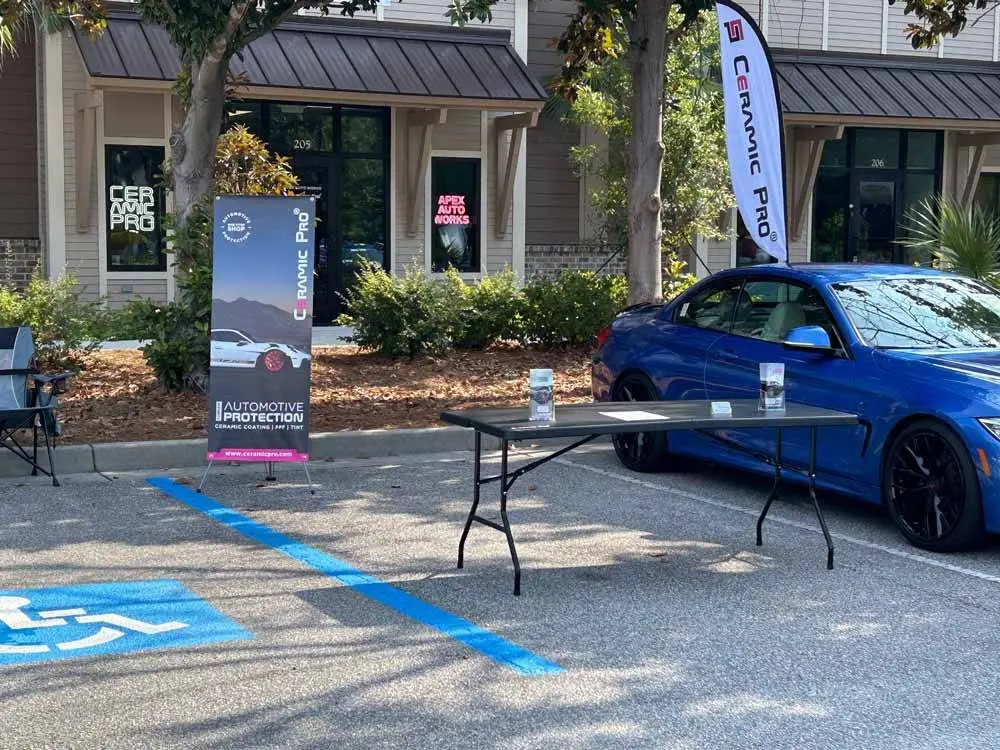
What to Expect After It's On
Once PPF is installed, maintenance is straightforward. You can wash your car normally — no special soaps or techniques required. The film resists staining, so bug guts and bird droppings rinse off easily. Avoid automatic car washes with harsh brushes for the first week while the adhesive fully cures, but after that, you're good to go.
Most quality films come with a warranty covering yellowing, cracking, and delamination. That's typically five to ten years, depending on the brand. The film won't last forever, but it'll outlast the period when your car takes the most abuse and loses the most value.
When It Makes the Most Sense
PPF isn't for everyone. If you're driving a beater you plan to replace in a year, skip it. But if you're financing a new truck, leasing a luxury sedan, or holding onto a vehicle you love for the long haul, the upgrade makes sense. Especially in Bluffton, where the roads are busy, the weather is brutal, and the cost of neglect shows up fast.
Here's who benefits most:
- New car buyers who want to lock in that factory finish
- Lease drivers who need to return the vehicle in pristine condition
- Owners of high-end or collectible vehicles where paint condition directly impacts value
- Daily drivers who rack up highway miles and face constant debris exposure
- Anyone planning to keep their car for five-plus years and wants it to still look sharp
The Verdict from the Detail Shops
We've worked with enough Bluffton drivers to know what holds up and what doesn't. PPF consistently delivers when it's installed correctly and maintained properly. It's not a gimmick, and it's not overkill — it's a practical solution to a real problem. Your car's paint is under attack every time you drive. PPF stops that attack before it leaves a mark.
The upgrade pays for itself in preserved value, reduced maintenance, and the simple fact that your vehicle still looks new years down the road. If you're serious about protecting your investment, this is one of the smartest moves you can make. Just make sure you're working with someone who knows what they're doing, and don't wait until the damage is already done. For more information about our services or to request a quote, reach out today.
Ready to Protect Your Paint?
We know how much pride you take in your car, and we’re here to help you keep it looking its best for years to come. Let’s make sure your paint stands up to Bluffton’s toughest conditions with the right protection from the start. Give us a call at 843-919-3133 or request a quote and let’s get your car the shield it deserves.
‹ Back
Recent Posts
-
Debunking Common Car Window Tint Myths in Bluffton
September 11, 2026
-
Protecting Your Daily Driver from Bluffton Road Debris
August 28, 2026
-
Can Paintless Dent Repair in Bluffton Fix Door Dings?
August 14, 2026
-
Should You Add Window Tint to a New Car in Bluffton?
July 31, 2026
-
When Is Paint Correction in Bluffton Necessary?
July 17, 2026

 Instagram