
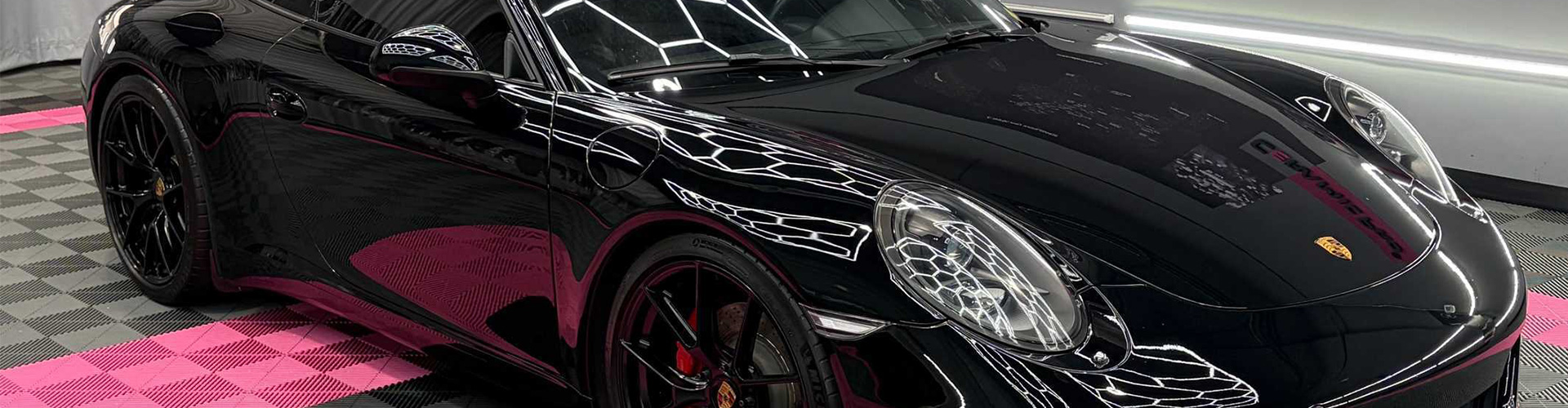
Should You Fix Paint Chips Before Getting Paint Protection Film in Bluffton?
Most car owners think paint protection film is just about throwing up a barrier. Slap it on, drive away protected. But the installer sees more than that—and if you don't, you're setting yourself up for peeling edges and wasted money. Paint protection film may look like a simple layer, but it leaves a mark on how your paint holds up. Especially if you're covering damage or skipping prep work.
So here's the truth. If you're investing in protection to keep your finish sharp, that's smart. Just don't treat PPF like a magic eraser. Every chip should be evaluated. Every surface needs prep. And every installation decision should be grounded in what's underneath—not just what it'll look like on day one.
When Chips Become a Bigger Problem
Nine times out of ten, minor chips won't stop PPF from going on. The film covers them, you drive off, and everything looks fine. But if those chips are deep? Different outcome. Exposed metal or primer means rust can creep in under the film, especially in a humid place like Bluffton where salt and moisture don't quit.
And here's what catches people off guard. PPF is transparent. That means every flaw shows through. Chips don't disappear—they get highlighted. We've seen this play out with brand-new installs. Clients thought the film would hide imperfections. It didn't. And when adhesion fails around rough edges, the film starts lifting within weeks unless the surface was prepped right.
The Repairs You Should Make
You can't hide a chip under film and call it solved—that's just masking damage. But fixing it beforehand? That's often worth the effort. Clean repairs create a smooth base that lets PPF do what it's designed for: protect, not patch.
Here's where that effort pays off most:
- Hood and front bumper damage from road debris—high-impact zones that need solid adhesion
- Door edge chips where film wraps around curves and needs a clean edge to stick
- Mirror and fender scratches that show through transparent layers if not leveled first
- Deep chips exposing primer or metal—these need paint correction to stop corrosion before film goes on
- Touch-up paint that wasn't leveled—bumpy repairs create adhesion gaps and visible texture under PPF
When You Can Skip the Fix
Want to install PPF over minor chips? You'll need to accept what you're covering—and know the film won't make them vanish.
Most installers work with three guidelines:
- The chip is shallow and hasn't breached the clear coat
- There's no exposed metal or active rust forming
- The surrounding paint is clean, smooth, and properly bonded
Miss one of those, and the film either won't stick right or it'll trap moisture underneath. Even if the install looks clean at first. And if rust starts forming? That spreads under the film where you can't see it, doing damage you won't notice until it's already eaten through the panel.
Bluffton's Climate Makes This Worse
Coastal humidity and salt spray don't care whether your car has PPF or not. They'll find any opening and get to work. A chip that seems harmless in Arizona becomes a rust magnet in Bluffton within months.
If your vehicle sits outside, gets driven near the water, or racks up highway miles, those chips need attention before film goes on. Otherwise you're sealing in the problem—and paying for protection that's already compromised.
Your Install Is Only As Good As Your Prep
Want PPF that lasts? Start with a clean canvas. You'll need more than a quick wash to back up that investment.
Here's what proper prep includes:
- A full paint inspection under good lighting to catch chips you didn't notice
- Decontamination to remove embedded dirt, tar, and iron particles
- Paint correction on any rough or uneven areas where film won't lay flat
- Touch-up work leveled and polished so it blends with the surrounding finish
If the installer skips these steps, the film might look fine for a week. But when edges start lifting or bubbles form, you'll wish you'd insisted on doing it right. Mixing cosmetic fixes with serious prep is one of the fastest ways to waste money on an install that doesn't hold.
Where Most Car Owners Miscalculate
Assuming PPF Hides Everything
Thinking film will cover scratches and make them invisible? It won't. Transparency means flaws stay visible, sometimes more so under certain light. Most car owners get better results by addressing damage first—and plenty avoid regret by understanding what PPF actually does versus what they hoped it would do.
Skipping a Pre-Install Inspection
Don't wait until the installer points out problems to realize your paint needs work. If you skip the inspection, you lose the chance to fix chips on your timeline. Book a consultation before scheduling the install. It's tedious. It works.
Ignoring Rust That's Already Started
If a chip has been sitting long enough to rust, PPF won't stop it—it'll just hide it while it spreads. That's a red flag area. Surface rust needs treatment before film goes on, or you're locking in corrosion that'll cost you a full panel repair down the road. Don't guess. That's what detailers and body shops are for.
Making the Call on Your Vehicle
If your paint has multiple chips, deep scratches, or anything that's already rusting, you're in territory where rushing the install gets expensive.
A good installer helps you:
- Identify which chips need correction and which can be covered safely
- Determine if paint repair or panel work is needed before film application
- Separate cosmetic concerns from structural issues that affect adhesion
- Plan the right prep timeline so film goes on clean and lasts
- Avoid sealing in damage that'll come back worse later
It's not just about protecting your car this season. It's about setting up lasting results that keep your vehicle's value intact and your finish looking sharp for years. If you're weighing whether chips matter enough to delay your install, talk to a pro who's worked with Bluffton conditions before. Whether you need paintless dent repair or more comprehensive work, the right automotive services make all the difference in your final result.
Protection Starts Before the Film Goes On
Getting PPF isn't the hard part. Prepping the surface right—and knowing when damage needs fixing first—that's where car owners get caught off guard. There's no shortcut when the results depend on what's underneath. But there's also no excuse when a little prep work makes all the difference between film that lasts and film that lifts within months. For expert guidance and quality work, contact us to discuss your vehicle's specific needs, or request a quote to get started with professional paint protection.
Let’s Get Your Car Ready for the Road Ahead
We know how much you care about keeping your car looking its best, and the right prep before paint protection film makes all the difference. Let’s make sure every chip is handled the right way so your investment lasts. If you’re ready to protect your finish and want expert advice tailored to Bluffton’s unique climate, give us a call at 843-919-3133 or request a quote and let’s get your car set for the long haul.
‹ Back
Recent Posts
-
Should You Fix Paint Chips Before Getting Paint Protection Film in Bluffton?
September 25, 2026
-
Debunking Common Car Window Tint Myths in Bluffton
September 11, 2026
-
Protecting Your Daily Driver from Bluffton Road Debris
August 28, 2026
-
Can Paintless Dent Repair in Bluffton Fix Door Dings?
August 14, 2026
-
Should You Add Window Tint to a New Car in Bluffton?
July 31, 2026

 Instagram