
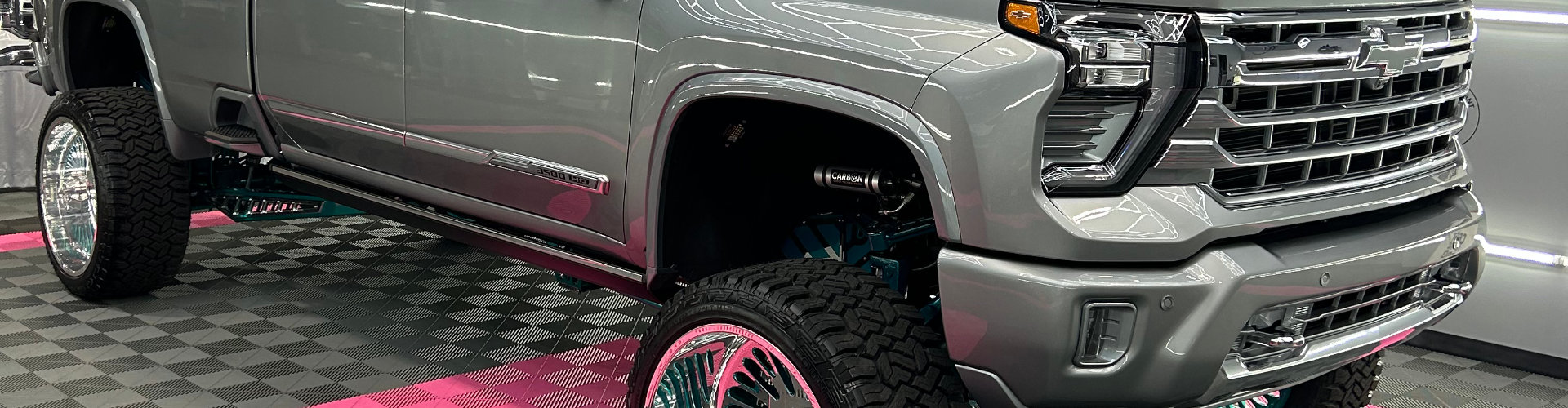
Should You Choose Paint Correction Before Selling Your Vehicle?
Most sellers think a quick wash and vacuum will do the trick. Throw in some air freshener, snap a few photos, and call it done. But buyers aren't that easy. They're scanning for flaws the second they pull up. And if your paint looks tired, scratched, or dull under sunlight, you've already lost leverage before the test drive even starts.
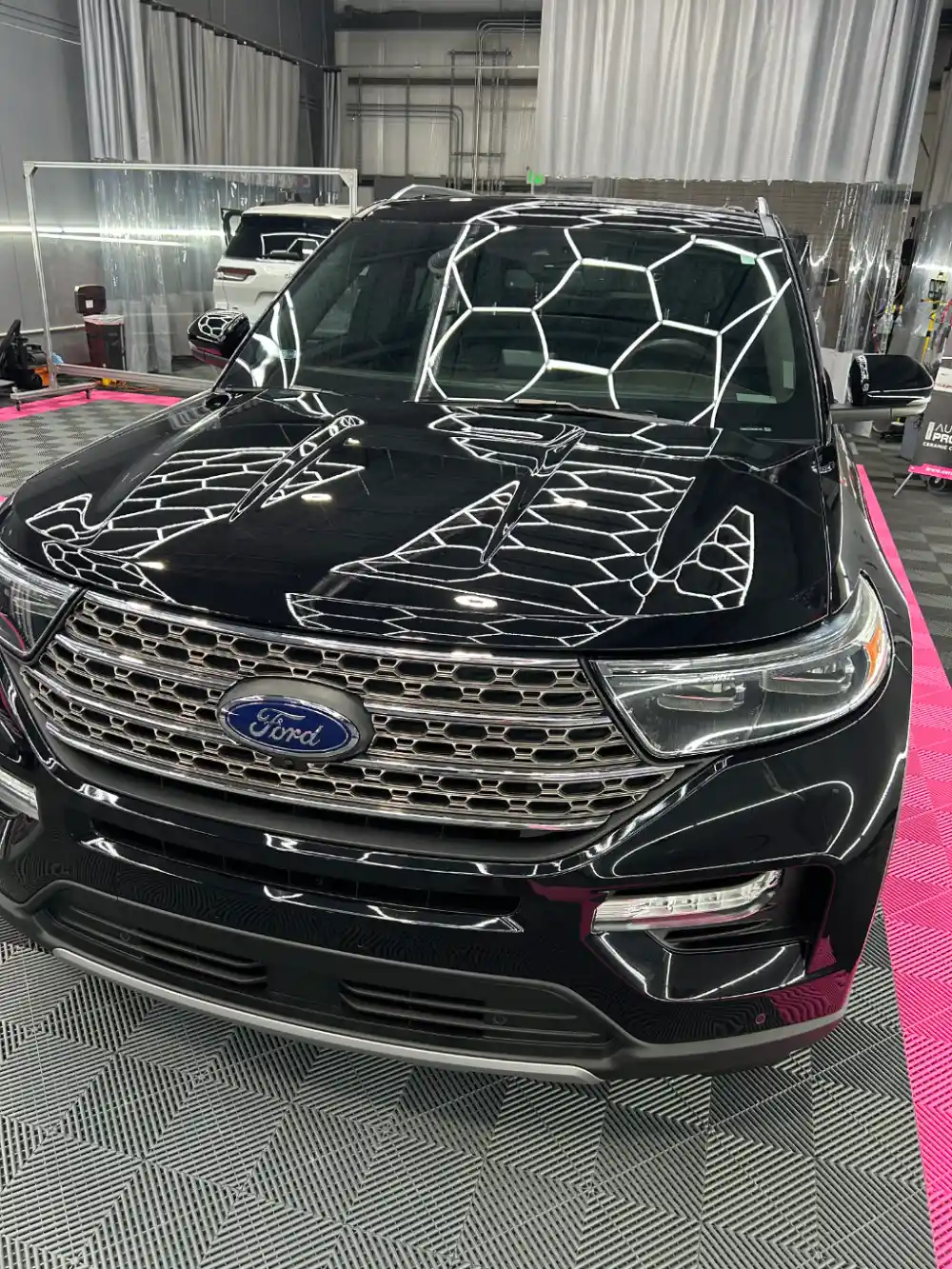
Paint correction isn't a magic bullet, but it's not snake oil either. It's a professional process that strips away swirl marks, oxidation, and surface scratches — the kind of wear that screams "I didn't care enough to maintain this thing." Whether it's worth the cost depends on what you're selling, who's buying, and how much room you have to negotiate. But one thing's certain: first impressions don't get a second chance.
Buyers Notice More Than You Think
Walk up to any used car lot and you'll see it — some vehicles just pop, while others fade into the background. It's not always about age or mileage. It's about presentation. A car with glossy, clean paint sends a message: this owner gave a damn. A car with hazy clearcoat and spiderweb scratches? That's a red flag, even if the engine's bulletproof.
Paint correction takes your exterior from "decent" to "damn." It removes the micro-damage that builds up over years of washing, parking, and driving. The result is a finish that looks newer, sharper, and more expensive than it actually is. And when buyers are comparing your listing to three others in the same price range, that difference matters.
The Math Behind the Shine
Paint correction isn't cheap. Depending on your vehicle's size and condition, you're looking at anywhere from a few hundred bucks to over a grand. That's real money — especially if you're selling a car that's already depreciated hard. So the question isn't whether it looks better. It's whether it pays for itself.
For newer cars, luxury models, or anything with strong resale demand, the answer is usually yes. Buyers in those markets expect perfection, and they'll walk if they don't see it. For older vehicles with high mileage or mechanical issues, the return gets murkier. You might spend $500 on correction and only see $300 back in sale price. That's not a win.
What Paint Correction Actually Fixes
Not all damage is created equal. Paint correction works wonders on surface-level imperfections, but it's not a miracle worker. If your clearcoat is peeling, your panels are rusted, or you've got deep gouges from a shopping cart, correction won't save you. But if your issues are cosmetic — swirls from bad wash techniques, light scratches, water spots, oxidation — this process can erase them.
Here's what typically gets handled:
- Swirl marks from automatic car washes or improper hand washing
- Light scratches that haven't penetrated the clearcoat
- Oxidation that makes paint look chalky or faded
- Water spots and etching from hard water or bird droppings
- Holograms or buffer trails left by amateur detailing
When It Makes Sense to Invest
Not every car needs correction before sale, but some absolutely benefit from it. If you're sitting on a vehicle that's still in demand, relatively low mileage, and mechanically solid, a flawless exterior can be the difference between a quick sale and weeks of tire-kickers. Private buyers especially care about appearance — they're not flipping it, they're driving it. They want pride of ownership, not a project.
Here's when correction pays off:
- You're selling a car less than five years old with under 60,000 miles
- Your vehicle is a luxury or performance model where buyers expect showroom condition
- You're listing privately and want to command top dollar
- Your paint has visible defects that photographs poorly or stand out in person
- You're in a competitive market with multiple similar listings
When to Skip It and Save Your Cash
There are plenty of scenarios where paint correction just doesn't pencil out. If you're trading in at a dealership, they're not going to bump your offer because your clearcoat is glossy. They're running it through auction or reconditioning it themselves. Same goes for older vehicles with high mileage or mechanical red flags — buyers in that range are hunting for value, not perfection.
Skip correction if:
- Your car is over ten years old with significant wear beyond just paint
- You're trading in rather than selling privately
- The paint has deep damage, rust, or clearcoat failure that correction can't fix
- Your vehicle's market value is already low and unlikely to move much
- You're selling to a wholesaler or cash buyer who doesn't care about cosmetics
Cheaper Moves That Still Help
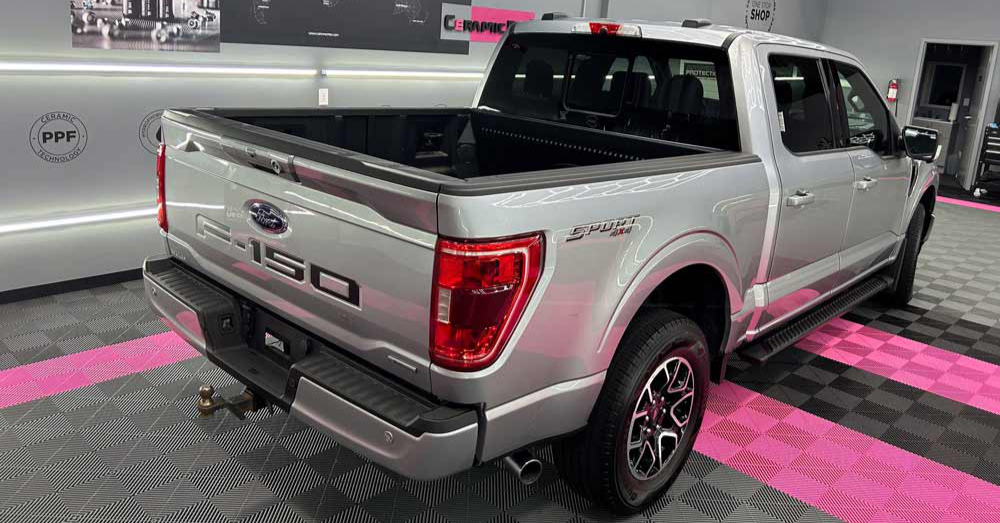
If full correction feels like overkill, there are middle-ground options that improve appearance without the hefty price tag. A professional wash and wax can bring back some shine. Touch-up paint handles small chips. A clay bar treatment removes embedded contaminants. None of these fix swirls or scratches, but they do make your car look cleaner and more cared for.
Pair that with a solid interior detail — vacuumed carpets, conditioned leather, clean windows — and you've got a package that photographs well and shows strong in person. It's not correction-level perfection, but it's enough to separate your listing from the neglected competition.
Documentation Backs Up the Investment
If you do spring for paint correction, don't just pocket the receipt and forget about it. Use it as a selling point. Mention it in your listing. Show before-and-after photos if the detailer provides them. Buyers love knowing that money was recently spent on the vehicle, especially on something that improves longevity and appearance.
Keep records of:
- The detailing shop's invoice and services performed
- Before-and-after photos showing the improvement
- Any protective coatings applied after correction, like ceramic coating or sealant
- Maintenance records showing regular care and upkeep
Timing Matters More Than You'd Think
Get correction done too early, and your car sits in the driveway collecting dust and pollen while you wait for a buyer. Get it done too late, and you're scrambling to schedule appointments while fielding lowball offers. The sweet spot is right before you list — fresh enough to photograph beautifully, but not so far out that the results fade.
Plan for at least a few days of turnaround time, especially if you're going with a reputable shop. Quality correction isn't a one-hour job. It takes time, skill, and the right equipment. Rush it, and you'll end up with subpar results that don't justify the cost.
The Real Payoff Isn't Always in Dollars
Sure, paint correction can help you squeeze out a higher sale price. But the bigger win is speed. A car that looks sharp sells faster. It attracts serious buyers, not just browsers. It photographs better, shows better, and gives you more room to hold firm on your asking price instead of caving to every lowball offer that rolls in.
We've seen sellers sit on listings for months because their vehicle looked rough in photos, even though it ran perfectly. And we've seen others move cars in days because the presentation was dialed in. The market rewards preparation, and paint correction is one of the sharpest tools in that toolbox — when it's used on the right vehicle, at the right time, with the right expectations.
Let’s Get Your Car Ready to Sell
When it comes to making your car stand out and sell quickly, a flawless finish can make all the difference. If you’re ready to boost your car’s curb appeal and attract serious buyers, let’s talk about how we can help. Give us a call at 843-919-3133 or request a quote today to get started on your paint correction and detailing needs.
‹ Back
Recent Posts
-
Debunking Common Car Window Tint Myths in Bluffton
September 11, 2026
-
Protecting Your Daily Driver from Bluffton Road Debris
August 28, 2026
-
Can Paintless Dent Repair in Bluffton Fix Door Dings?
August 14, 2026
-
Should You Add Window Tint to a New Car in Bluffton?
July 31, 2026
-
When Is Paint Correction in Bluffton Necessary?
July 17, 2026

 Instagram