
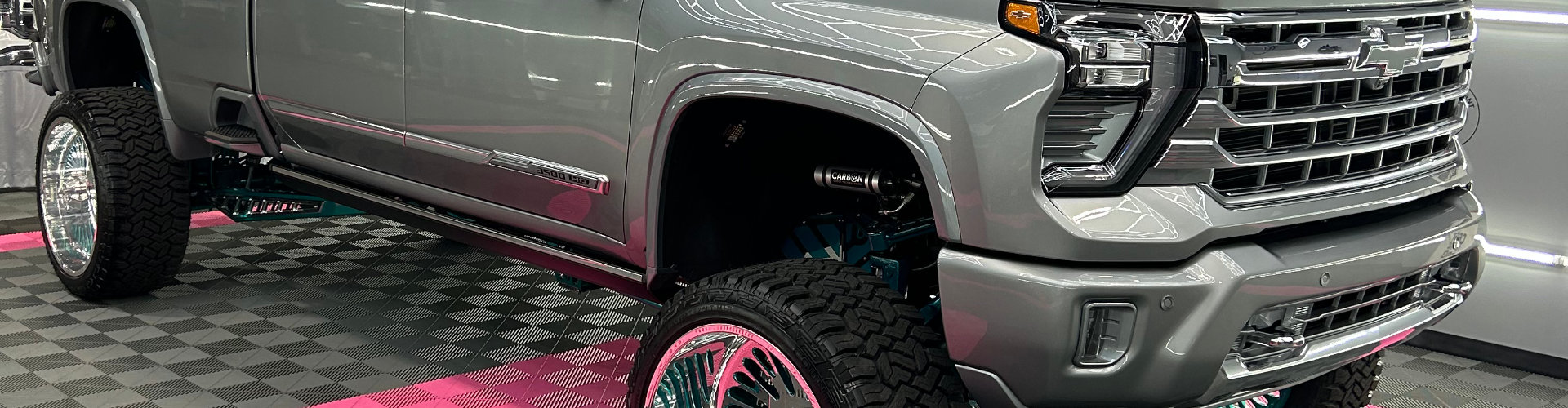
Is Your Car Ready for Paint Protection Film in Bluffton?
Most car owners think protection is just about parking in the shade. But Bluffton's roads don't care where you park. The paint on your car is getting hit — by sun, by debris, by salt air — and if you're not doing something about it, you're watching your investment fade in real time. Paint Protection Film isn't some luxury add-on. It's a barrier between your finish and everything trying to ruin it.
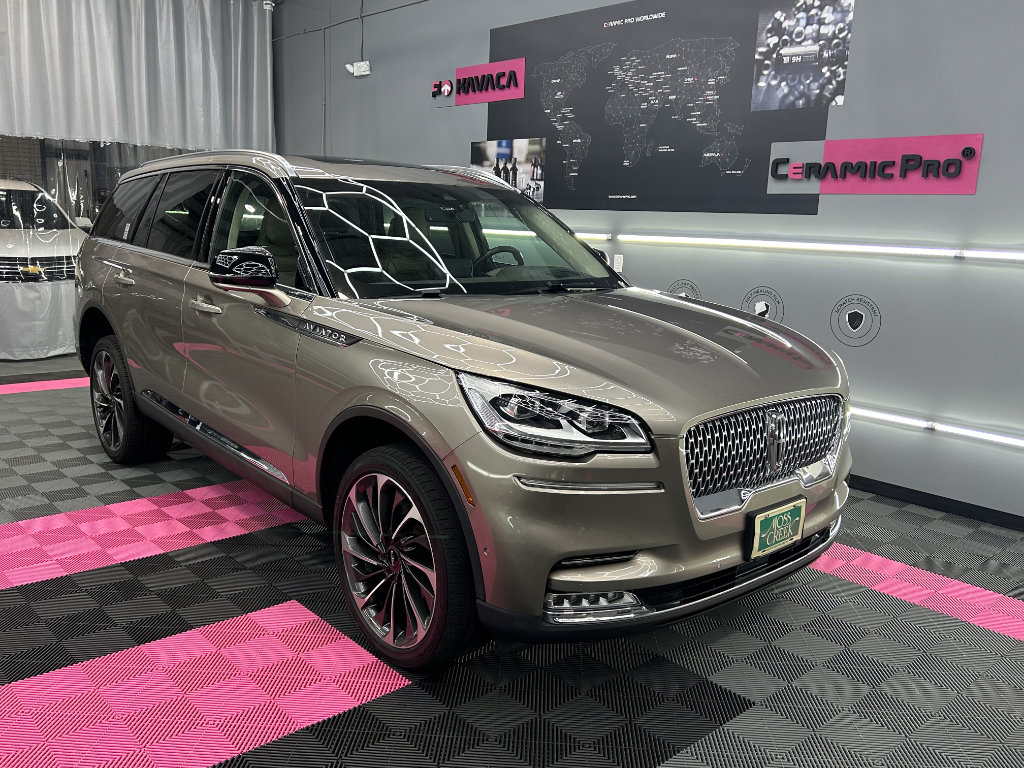
So here's the truth. If you're serious about keeping your car looking sharp, PPF makes sense. Just don't roll up to an installer thinking every vehicle is ready. The film only works if the surface underneath is clean, smooth, and prepped right. Otherwise, you're sealing in problems — not solving them.
What PPF Actually Does
Paint Protection Film is a clear urethane layer that sits on top of your car's painted surfaces. It takes the hits so your paint doesn't have to. Scratches, rock chips, bug splatter, UV damage — all of it gets absorbed by the film instead of etching into your clearcoat. When it's installed correctly, you won't even know it's there. When it's installed poorly, you'll see bubbles, edges, and regret.
The film itself is self-healing on most modern versions. Minor scratches disappear with heat. Deeper damage stays on the film, not your paint. That's the whole point. You're buying time and resale value, not just aesthetics.
Bluffton's Environment Isn't Gentle
The Lowcountry is beautiful. It's also brutal on paint. Intense sun breaks down clearcoat. Salt from the coast accelerates corrosion. Sand and gravel kicked up from construction zones leave chips you won't notice until they've already gone through to the primer. And if you park under trees? Good luck keeping sap and bird droppings from etching into the finish.
PPF is one of the few things that actually stops this cycle. It's not a cure-all, but it's a real defense. Especially if you're driving anything newer, leased, or expensive enough that you care about resale.
Your Paint Needs to Be Right First
Here's where most people mess up. They assume PPF can go on anything. It can't. If your paint has scratches, swirl marks, oxidation, or chips, the film will lock all of that in place. Worse, it'll magnify the flaws under certain light. You're not hiding damage with PPF — you're preserving whatever's already there.
Before you even think about installation, your car needs to be in solid shape. That means:
- No visible scratches or swirl marks — if they're there, you'll need paint correction first
- No oxidation or fading — the film won't reverse existing UV damage
- No open chips or exposed primer — those need touch-ups before film goes on
- No fresh paint that hasn't fully cured — give body work at least 30 days before applying PPF
- No wax, sealant, or coating residue — these prevent proper adhesion and cause lifting
Surface Prep Isn't Optional
Even if your paint looks clean, it's not. Not to the standard PPF requires. Installers will decontaminate the surface with clay, remove any polishing oils, and wipe it down with isopropyl alcohol. Any contaminant left behind — dust, wax, silicone — creates a weak bond. Weak bonds lead to bubbles, peeling, and early failure.
This is why you don't DIY this part. Professional installers know what they're looking for. They know how to prep a surface so the film sticks for years, not months. If someone's rushing the prep, walk away.
Not Every Car Is a Good Candidate
New cars are ideal. The paint is fresh, the surface is smooth, and there's no history of repairs to worry about. Older cars can work too — but only if the paint is still in decent condition. If you're dealing with heavy wear, clearcoat failure, or multiple resprays, PPF might not be worth the cost.
Here's what matters most:
- Paint thickness — if the clearcoat is already thin from polishing or age, film removal later could cause damage
- Original paint vs. aftermarket — factory paint bonds better than most body shop resprays
- Previous film or wrap — if there's old film still on the car, it needs to come off first
- Panel alignment — uneven gaps or misaligned body panels make clean installation harder
What Happens If You Skip Correction
Let's say you ignore the scratches and go straight to film. What's the worst that happens? You lock in every flaw. Swirl marks become permanent. Chips stay visible. And when you eventually remove the film — say, five years later — those defects are still there, just as deep as the day you sealed them.
Paint correction isn't cheap, but it's the difference between PPF that enhances your car and PPF that documents its damage. Most good installers will recommend correction if they see issues. Listen to them.
Choosing Someone Who Knows What They're Doing
Installation quality varies wildly. Some shops use pre-cut kits that leave gaps. Others hand-cut and wrap edges for a seamless look. Some use bargain-bin film that yellows in two years. Others stick with brands like XPEL or 3M that come with real warranties.
Here's what separates the pros from the hacks:
- They ask about your car's history before quoting — repairs, resprays, previous film
- They inspect the paint in person and recommend correction if needed
- They show you examples of past work, not just stock photos from the manufacturer
- They explain their prep process and don't rush you out the door
- They offer a warranty that actually covers installation defects, not just the film itself
Maintaining the Film Once It's On
PPF isn't maintenance-free, but it's close. Wash your car regularly with pH-neutral soap. Avoid automatic car washes with stiff brushes — those can lift edges over time. Don't use wax or sealants unless they're specifically PPF-safe. Most films have a hydrophobic top coat that does the job already.
Minor scratches will heal on their own with heat. Deeper ones stay on the film, which is the point. If the film gets stained or damaged beyond self-healing, most installers can replace individual panels without redoing the whole car. For long-term protection beyond PPF, many owners also consider ceramic coating to add an extra layer of defense against environmental contaminants.
When It's Worth the Investment
PPF makes sense if you're keeping the car long-term, leasing and want to avoid end-of-lease charges, or driving something with expensive paint to repair. It makes less sense if the paint is already trashed, the car is getting traded in soon, or you're not planning to maintain it properly.
Think of it this way:
- High-end vehicles — resale value depends on condition, and PPF preserves that
- Leased cars — avoiding damage charges at turn-in pays for itself
- Daily drivers in harsh conditions — Bluffton's environment will eat paint over time
- Track or performance cars — rock chips from spirited driving add up fast
Getting It Done Right the First Time
PPF isn't something you redo every year. It's a long-term play. So if you're going to do it, do it right. Start with honest assessment of your paint. Handle corrections before installation. Choose an installer who respects the process. And once it's on, take care of it. Many shops that offer paintless dent repair can also address minor imperfections before film installation, and services like window tinting complement PPF by protecting your interior from UV damage while the film protects your exterior.
At the end of the day, protection only works if the groundwork is solid. You wouldn't put a roof on a cracked foundation. Same logic applies here. Get the paint right, get the installer right, and the film will do exactly what it's supposed to — keep your car looking the way it should for as long as you own it.
Ready to Protect Your Car the Right Way?
We know how much your car means to you, and we’re here to help you keep it looking its best on Bluffton’s roads. Let’s make sure your paint is prepped and protected for the long haul. Give us a call at 843-919-3133 to talk through your options, or request a quote and let’s get your car the protection it deserves.
‹ Back
Recent Posts
-
Should You Add Window Tint to a New Car in Bluffton?
July 31, 2026
-
When Is Paint Correction in Bluffton Necessary?
July 17, 2026
-
-
Is Your Car Ready for Paint Protection Film in Bluffton?
June 19, 2026
-
Do New Cars in Bluffton Need Ceramic Protection?
March 26, 2026

 Instagram