
When Is Paint Correction in Bluffton Necessary?
Most car owners think detailing is just about keeping things shiny. Wash it, wax it, move on. But paint correction is different — and if you ignore the signs, you're letting your vehicle lose value. Your paint might look fine from ten feet away, but get close, and those swirls tell another story. Especially in Bluffton, where sun and salt don't take days off.

Here's what matters. If you're investing in a vehicle you actually care about, the exterior needs more than surface-level attention. Scratches don't buff out with soap. Oxidation doesn't vanish under a coat of wax. And every imperfection left untreated compounds the damage — not just to aesthetics, but to resale value and long-term protection.
What Paint Correction Actually Does
Paint correction isn't a wash or a quick polish. It's a mechanical process that removes defects embedded in the clear coat. We're talking swirl marks, light scratches, hazing, water etching — all the wear that accumulates from poor technique or environmental exposure. The process uses precision machine polishing with graduated compounds to level the surface and restore optical clarity.
It's not cosmetic theater. It's material removal done carefully enough to preserve your clear coat while eliminating the flaws that kill gloss. Done right, it brings back depth and reflection. Done wrong, it burns through paint or leaves holograms behind. That's why the skill level of who's doing it matters more than the products they're using.
Bluffton's Climate Doesn't Play Nice
Coastal humidity accelerates contamination. Salt hangs in the air and lands on your hood, your roof, your trunk lid. UV exposure here is relentless — paint oxidizes faster than it would inland. Add in pollen, tree sap, bird droppings that sit for days, and you've got a recipe for etching that no amount of washing will fix.
Then there's user error. Automatic washes with recycled brushes drag debris across your clear coat. Dirty towels. Improper drying methods. Even well-intentioned hand washing can introduce marring if you're not using the right tools or technique. It all adds up, and most of it shows under direct sunlight or LED headlights at night.
The Damage You Can Actually Fix
Not every mark on your paint needs correction. But some do — and waiting too long makes them permanent. Here's when you should be paying attention:
- Swirls and cobwebbing: Those circular scratches that catch light at every angle. They're in the clear coat, and correction removes them entirely when done properly.
- Oxidation and fading: When your paint looks chalky or dull, that's the surface breaking down. Correction strips away the damaged layer and reveals fresh paint underneath.
- Water spots and etching: Minerals from sprinklers or rain don't just sit on top — they bond with the clear coat. Standard detailing won't touch them. Polishing will.
- Post-repair blending: Had bodywork done? The new paint rarely matches the aged finish around it. Correction evens everything out so the repair doesn't stand out.
- Pre-coating prep: Applying ceramic coating over scratched paint locks in those scratches. Correction first ensures you're sealing perfection, not mediocrity.
When Correction Won't Save You
If the scratch goes through the clear coat into base or primer, polishing won't help. That's repainting territory. Same goes for rock chips, deep gouges, or anything that's removed actual pigment. Correction works on surface-level defects — things that live in the top few microns of clear coat.
And if your paint is already thin from previous aggressive correction or factory application, adding more polishing could be risky. A paint depth gauge tells you what you're working with. No guessing. No assumptions.
How to Know If Your Car Needs It
Inspect under bright LED lighting or direct sun. Run your hand over the surface — does it feel rough even after washing? Look at reflections in the paint. Are they crisp or distorted? Check panel transitions and body lines where marring tends to accumulate from improper towel use.
If you're not sure, get a professional assessment. A good detailer will measure paint thickness, inspect under controlled lighting, and tell you what's correctable and what's not. They'll also tell you if a single-stage polish is enough or if you need multi-stage work for deeper defects.
What Happens If You Skip It
Swirls don't heal. Oxidation spreads. Etching gets deeper. The longer you wait, the more material you'll need to remove later — or the less correction becomes possible at all. Meanwhile, your car looks tired, and resale value drops because buyers see a vehicle that wasn't maintained.
Plus, if you ever plan to apply a protective coating, you're wasting money putting it over damaged paint. The coating magnifies whatever's underneath. Scratches become more visible. Dullness becomes locked in. Correction first isn't optional if you want results that last.
Signs You Should Act Now
Don't wait for catastrophic damage. These are the indicators that correction is overdue:
- Your paint looks hazy or lacks the gloss it had when new
- Swirl marks are visible even after a fresh wash
- Water doesn't bead properly anymore, even with wax applied
- Previous detailing or polishing left holograms or buffer trails
- You're preparing to sell or trade in and want maximum return
What Good Correction Looks Like
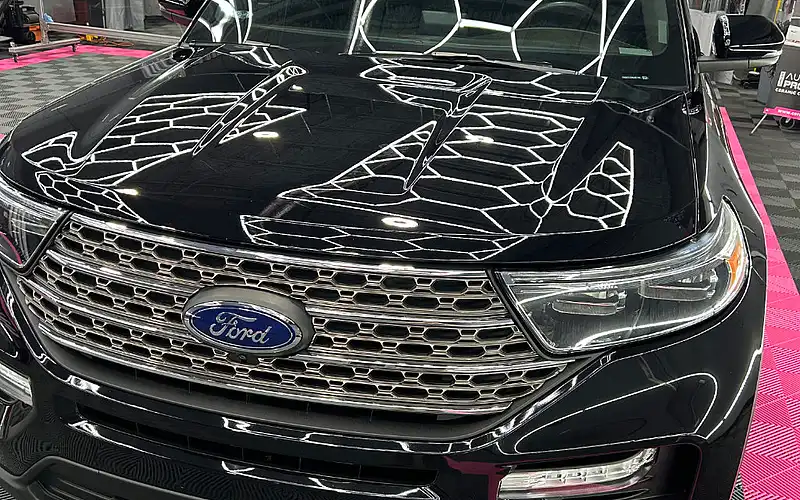
When it's done right, your paint should look wet even when dry. Reflections should be sharp and undistorted. Panel surfaces should feel glass-smooth to the touch. There should be no haze, no swirls, no buffer marks under inspection lighting.
You should also receive documentation — before and after photos, paint thickness readings, and a breakdown of what was corrected and what protection was applied afterward. If someone hands you back your keys with no explanation of what they did, that's a red flag.
Protecting What You Just Fixed
Correction gives you a reset. What you do next determines how long it lasts. Apply a quality sealant or ceramic coating to lock in the results. Use proper wash techniques — two-bucket method, microfiber mitts, pH-neutral soap. Dry with clean towels or a blower to avoid reintroducing marring.
Park in shade when possible. Rinse off contaminants quickly, especially bird droppings and tree sap. And don't take your freshly corrected vehicle through a tunnel wash with spinning brushes. That's how you undo everything in one trip.
The Real Cost of Waiting
Delaying correction doesn't just affect appearance. It affects what's possible later. Every month of UV exposure, every automatic wash, every towel dragged across dry paint removes more clear coat. Eventually, you run out of material to work with, and correction becomes impossible without risking burn-through.
By the time most people realize they need help, the damage is twice as bad and twice as expensive to fix. The smart move is addressing it early — when a single-stage polish can handle what would otherwise require aggressive compounding or even wet sanding down the line.
Who Should Be Doing the Work
Not every detailer knows how to correct paint properly. Look for certified professionals with verifiable training and a portfolio of before-and-after work. Ask about their process, what tools they use, and how they measure success. A good tech will explain limitations upfront and won't promise miracles on paint that's too far gone.
Check testimonials and reviews. Look for mentions of transparency, thoroughness, and results that lasted. And make sure they're using a paint depth gauge before they start. Anyone willing to polish blindly without knowing what they're working with is gambling with your clear coat.
Making the Call
Paint correction isn't something you do because it sounds nice. You do it because the damage is real, the solution is proven, and waiting makes it worse. Bluffton's environment accelerates wear. Your washing habits might be adding to it. And every imperfection you ignore is one more reason your car loses appeal and value.
Get it inspected with the help of professional auto detailing services. Get it corrected. Then protect what you just restored with options like paint protection film or window tinting for added defense. The difference isn't subtle — it's the gap between a car that looks maintained and one that looks neglected. And in a market where condition dictates price, that gap is measured in thousands, not hundreds.
Ready to Restore Your Car’s Finish?
We know how much pride you take in your car’s appearance, and we’re here to help you keep it looking its best in Bluffton’s tough climate. Let’s bring back that deep gloss and protect your investment for the long haul. Call us at 843-919-3133 or request a quote today to get started with a professional assessment and see the difference true paint correction can make.
‹ Back
Recent Posts
-

When Is Paint Correction in Bluffton Necessary?
July 17, 2026
-
-

Is Your Car Ready for Paint Protection Film in Bluffton?
June 19, 2026
-
Do New Cars in Bluffton Need Ceramic Protection?
March 26, 2026
-

 Instagram