
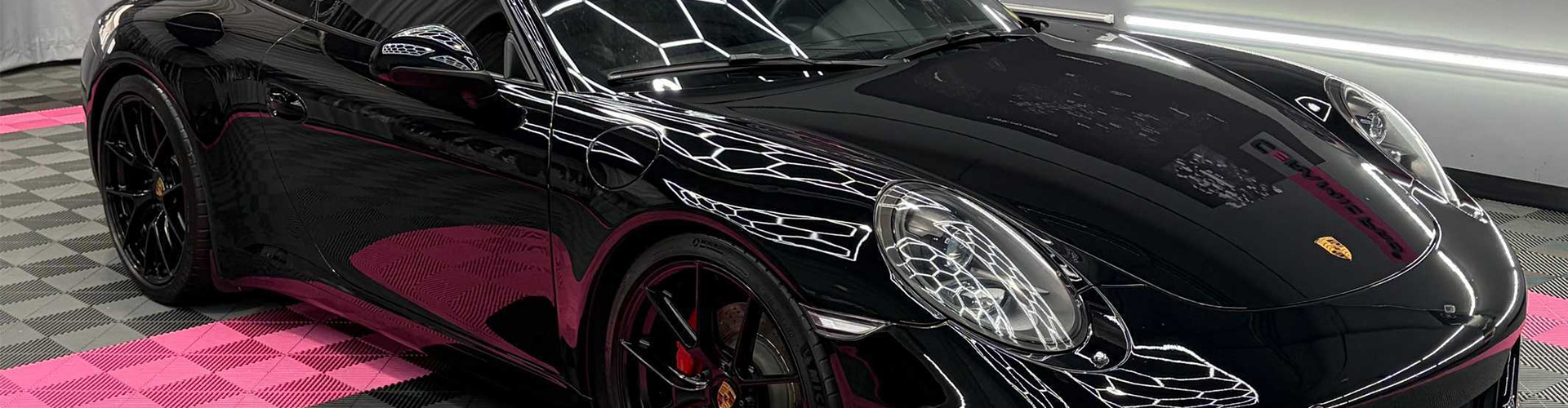
Paint Protection Film or Ceramic Coating for Your Bluffton Car?
Most Bluffton drivers think protecting paint is about shine. But the reality goes deeper than that—humidity, salt air, and relentless sun don't just dull your finish, they degrade it. You've got two serious options on the table: Paint Protection Film and Ceramic Coating. Each does something different. Each matters in its own way. And if you don't understand what you're buying, you're either overpaying or underprotecting.
So here's what we're covering. We'll break down how each product works, where it excels, and what it can't do. No fluff. No sales pitch. Just clarity on what your Bluffton car actually needs and how to make the call without second-guessing it later.
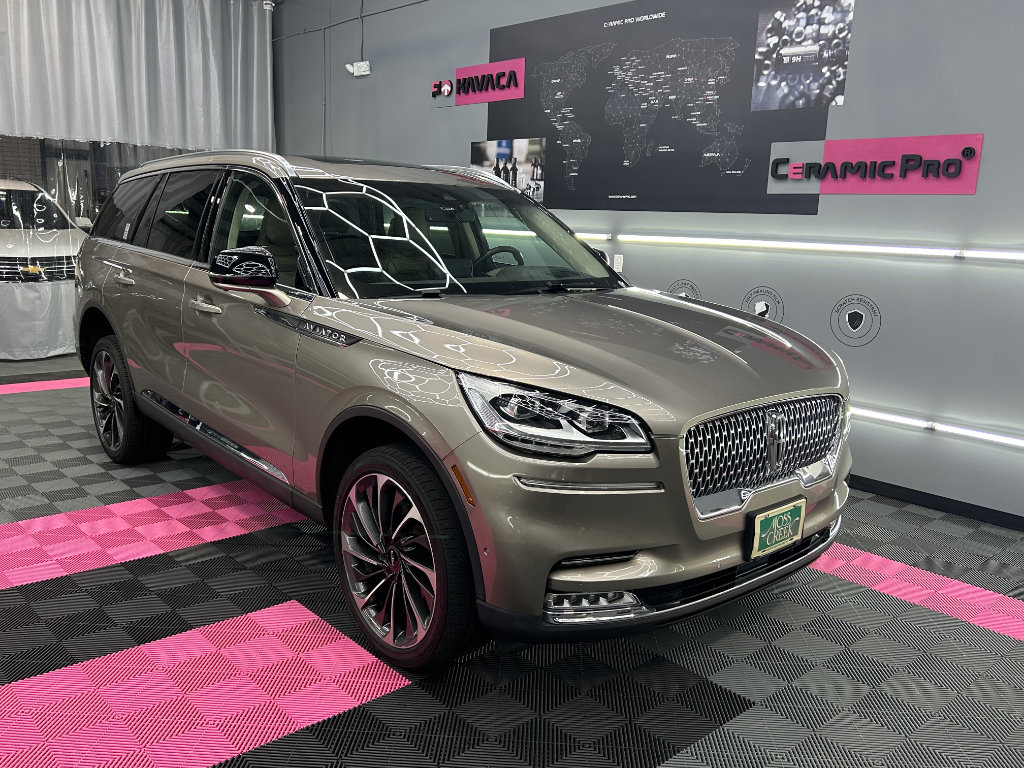
Film Stops Damage Before It Happens
Paint Protection Film isn't a coating—it's armor. A clear, self-healing urethane layer applied directly to vulnerable surfaces. Rock chips don't reach your paint. Scratches from brush contact or parking lot mishaps stay on the film, not the clearcoat underneath. When minor damage does appear, heat from the sun or a quick wash with warm water makes it disappear. That's not marketing speak. That's thermoplastic memory doing what it's designed to do.
We see PPF applied most often on hoods, bumpers, fenders, mirrors, and door edges—anywhere impact is likely. Full-vehicle wraps exist too, though they cost more. The film itself is nearly invisible when installed correctly, so your car's color and finish stay intact. But the protection? That's measurable. You're preventing chips that would otherwise need touch-up paint or worse, a full respray down the line.
Ceramic Coating Changes How Your Paint Behaves
Ceramic Coating works at the molecular level. It bonds with your factory paint and creates a hydrophobic surface that repels water, dirt, and contaminants. Rain beads up and rolls off. Bugs wash away easier. UV rays get blocked before they fade your clearcoat. The result is a finish that stays cleaner longer and holds its gloss without constant intervention.
But here's what it won't do: stop a rock chip. Ceramic Coating is not a physical barrier. It's a chemical enhancement. If something hard hits your paint, the coating won't absorb the blow. What it will do is make your car easier to maintain and harder to stain. That means fewer trips to the detailer and less time scrubbing bird droppings or tree sap off the surface.
What Film Brings to the Table
If your priority is preventing damage, PPF is the move. It's the only option that physically shields your paint from the road. Here's what makes it worth considering:
- Blocks chips, scratches, and abrasions from contact or debris
- Self-heals minor surface scratches with exposure to heat
- Maintains the original appearance of your paint without yellowing
- Can be applied selectively to high-risk areas or as a full wrap
- Protects resale value by keeping the factory finish intact
What Ceramic Coating Delivers
If you want your car to look great with less effort, Ceramic Coating makes sense. It doesn't stop impacts, but it does make life easier. Here's why people choose it:
- Deepens gloss and enhances the richness of your paint color
- Repels water and contaminants, reducing dirt buildup
- Shields against UV damage and prevents oxidation over time
- Simplifies washing and reduces the need for frequent detailing
- Lasts for years when maintained properly, unlike traditional wax
Film Protects, Coating Preserves
Think of it this way: PPF is defense. Ceramic Coating is maintenance. If you drive highways regularly, park near construction zones, or live where gravel and debris are common, film coverage makes sense. It's especially valuable on new vehicles or fresh paint jobs where you're trying to keep the surface flawless.
On the other hand, if your car mostly sees city streets, garage parking, and the occasional road trip, Ceramic Coating handles the day-to-day wear better. It keeps your finish looking sharp and makes upkeep less of a chore. Bluffton's humidity and salt air accelerate oxidation—coating slows that process down.
Stacking Both Gets You the Full Picture
Plenty of Bluffton drivers don't choose one or the other. They use both. PPF goes on high-impact zones—front bumper, hood, fenders, mirrors. Then Ceramic Coating gets applied over the film and across the rest of the vehicle. You get physical protection where it counts and enhanced gloss everywhere else. The coating also seals the edges of the film, which helps it last longer and stay cleaner.
It's not cheap, but it's comprehensive. If you're keeping the car long-term or it's a higher-end model, the combined approach is one of the smartest moves you can make for paint preservation.
Installation Quality Determines Longevity
Neither product works if the installer cuts corners. PPF needs precise cutting, clean surfaces, and careful application to avoid bubbles or lifting edges. Paint correction beforehand is required for Ceramic Coating—any swirl marks or oxidation get locked in once the coating cures. Skipping prep work or rushing the process means you're paying for a result that won't last.
We recommend working with detailers who specialize in these applications. Ask to see their portfolio. Check reviews. Make sure they use reputable brands and offer warranties. A good installer will walk you through the prep process and explain what maintenance you'll need to keep the protection intact.
What Breaks Down Each Option
Here's where the two products diverge in real-world use:
- PPF handles physical contact—Ceramic Coating does not
- Ceramic Coating improves cleaning ease—PPF does not
- PPF self-heals light scratches—Ceramic Coating locks them in
- Ceramic Coating enhances gloss—PPF maintains original appearance
- Both require professional installation for reliable results
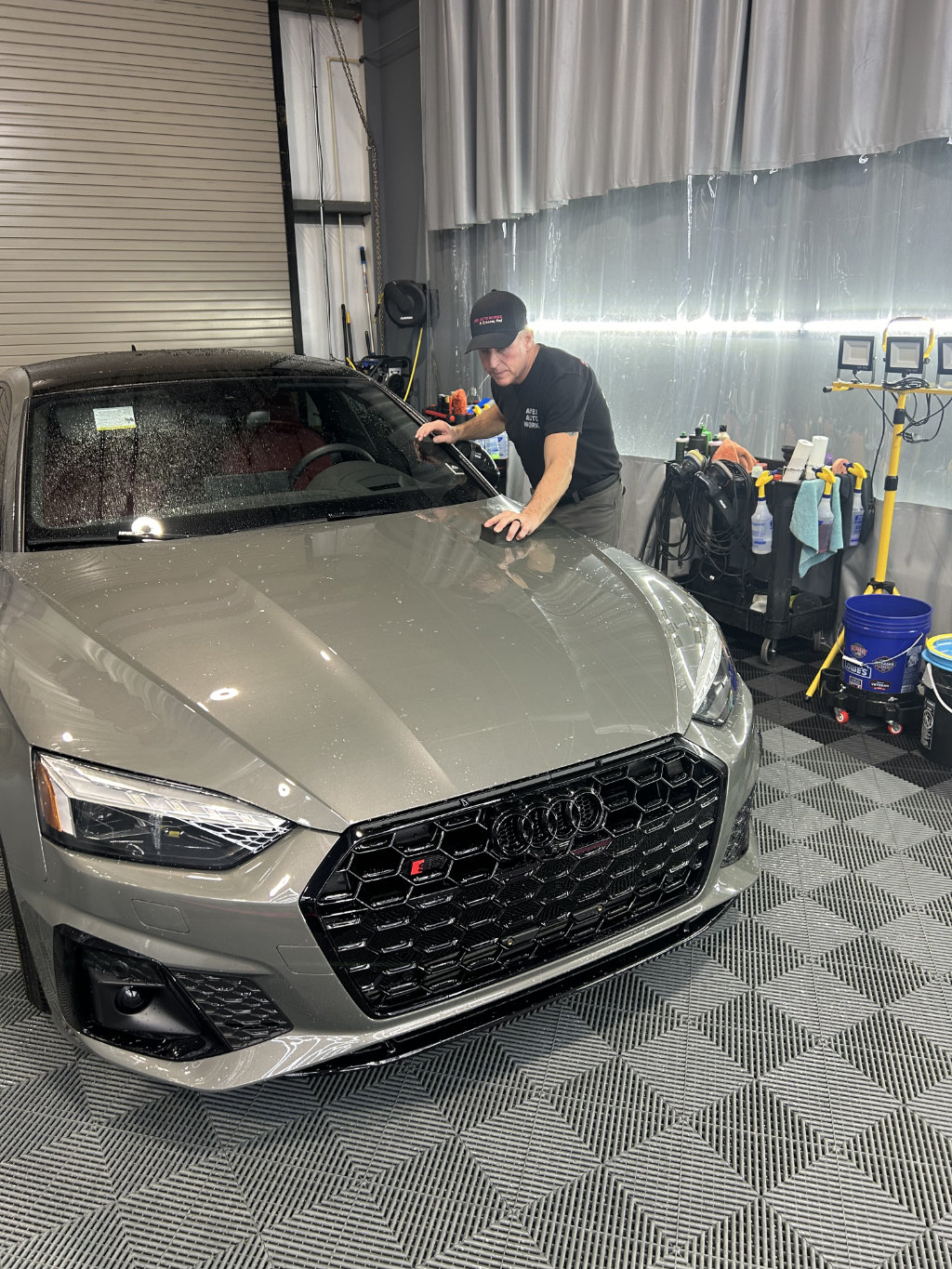
Maintenance Expectations Differ
PPF is relatively low-maintenance. Wash your car as usual, avoid automatic brushes that might catch edges, and inspect the film periodically for lifting or damage. Most quality films come with warranties covering yellowing or delamination.
Ceramic Coating needs more attention upfront. You'll want to use pH-neutral soaps, avoid abrasive towels, and apply a topper or booster spray every few months to maintain hydrophobic properties. It's not complicated, but it's not optional either. Neglect the coating, and it loses effectiveness faster than it should.
Cost Reflects Coverage and Complexity
PPF costs more per square foot because the material is expensive and installation is labor-intensive. Partial coverage—hood, bumper, fenders—runs less than full wraps, but you're still looking at a significant investment. Ceramic Coating is generally more affordable, especially if you're covering the whole vehicle. But quality coatings with strong warranties cost more than budget options that wear off in a year.
Factor in how long you plan to keep the car. If it's a lease or a short-term vehicle, Ceramic Coating might be enough. If you're holding onto it or it's a collector model, PPF pays for itself in prevented damage and preserved resale value.
Where Most Bluffton Drivers Get It Wrong
Common mistakes we see:
- Skipping paint correction before Ceramic Coating and locking in imperfections
- Assuming PPF makes the car scratchproof—it doesn't stop deep gouges
- Choosing the cheapest installer and dealing with bubbles or peeling later
- Not maintaining Ceramic Coating and wondering why it stopped beading water
- Applying Ceramic Coating over damaged or oxidized paint expecting it to fix everything
Making the Call That Fits Your Situation
There's no universal right answer. Your driving habits, parking environment, budget, and how much you care about appearance all matter. If you're unsure, talk to a local detailer who works on vehicles like yours. They'll assess your paint condition, explain what each option realistically does, and help you avoid spending money on protection you don't need.
What we do know: doing nothing costs more over time. Paint damage accumulates. Oxidation spreads. And by the time you notice it, correction is expensive. Whether you choose film, coating, or both, the investment protects what you've already paid for and keeps your Bluffton car looking the way it should.
Let’s Protect Your Paint the Right Way
We know how much pride you take in your car’s appearance, and we’re here to help you make the best choice for lasting protection. Whether you’re leaning toward Paint Protection Film, Ceramic Coating, or a combination of both, our team is ready to walk you through the options and deliver results you’ll notice every time you drive. Give us a call at 843-919-3133 or request a quote today so we can help you keep your car looking its best in Bluffton’s challenging climate.
‹ Back
Recent Posts
-
Paint Protection Film or Ceramic Coating for Your Bluffton Car?
November 6, 2026
-
Can Paintless Dent Repair Fix More Than Just Door Dings in Bluffton?
October 23, 2026
-
Is It Time to Replace Your Car Window Tint in Bluffton?
October 9, 2026
-
Should You Fix Paint Chips Before Getting Paint Protection Film in Bluffton?
September 25, 2026
-
Debunking Common Car Window Tint Myths in Bluffton
September 11, 2026

 Instagram