
When Does Your Bluffton Car Need Paint Correction?
Most drivers think washing their car is enough. Soap, rinse, dry — done. But the paint on your Bluffton vehicle is taking hits you can't see until it's too late. Sun damage piles up. Swirls multiply. Oxidation creeps in. And eventually, your ride doesn't reflect light the way it used to. That's not dirt — that's wear. And no amount of waxing will fix what's already embedded in the clear coat.
Paint correction isn't a luxury detail. It's a repair process that strips away imperfections and brings your finish back to baseline. But timing matters. Wait too long, and you're looking at a repaint. Catch it early, and you're preserving value without breaking the bank. So let's talk about what actually triggers the need for correction — and what happens when you ignore it.
The Damage You Can See Under Direct Light
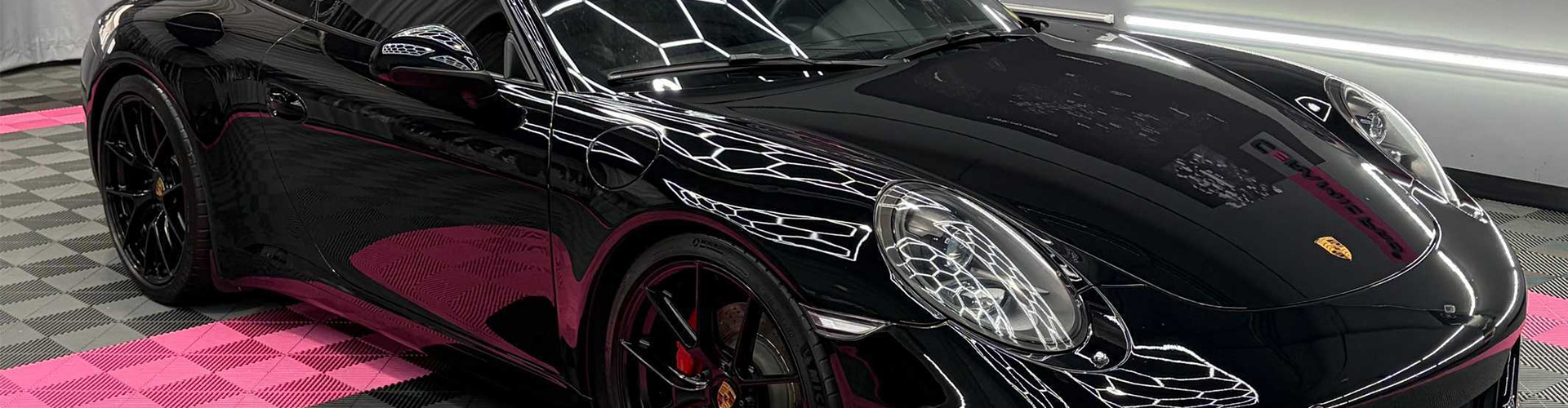
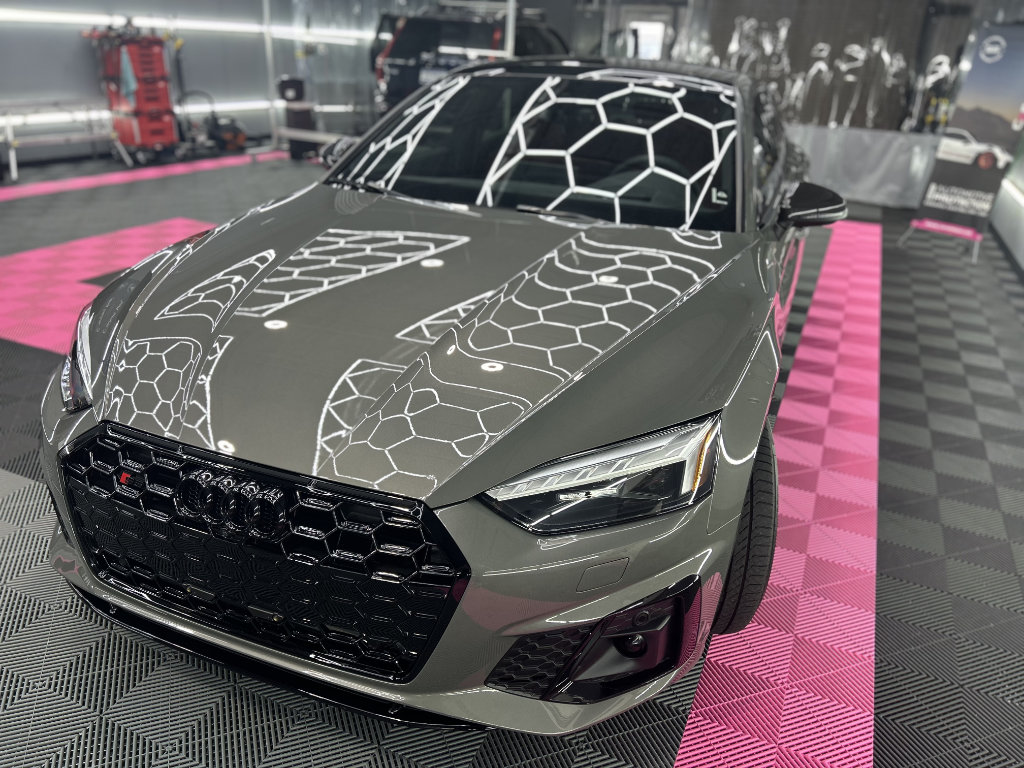
Park your car in full sun and take a look. Not a glance — a real inspection. Walk around slowly. Watch how the paint reflects. If you see spiderweb patterns, dull patches, or surfaces that look hazy instead of glassy, you're staring at clear coat failure. That's not cosmetic. It's structural degradation, and it gets worse with every wash cycle.
Swirl marks come from bad technique — dirty mitts, automatic brushes, towels that weren't rinsed. Oxidation comes from UV exposure and neglect. Water etching comes from letting rain or sprinklers sit on the surface too long. All of it adds up. And all of it requires machining to remove, not just another layer of wax. Here's what we typically see:
- Circular scratches that fan out under overhead lighting
- Cloudy or milky sections where the clear coat has broken down
- Hard water spots that won't budge with soap
- Rough texture even after a fresh wash
- Paint that feels chalky to the touch
Why Bluffton's Climate Works Against You
Living near the coast isn't kind to automotive finishes. Salt air accelerates oxidation. Humidity traps contaminants. And the sun here doesn't just warm your car — it cooks the clear coat over time. Drive near the marshes or park outside regularly? You're compounding the exposure. Even garage-kept vehicles aren't immune if they're driven daily and exposed to the elements between stops.
Bluffton's mix of heat, moisture, and airborne particles creates a perfect storm for paint degradation. That's why vehicles here often need correction sooner than those in drier or cooler climates. If you're noticing dullness or texture changes within a year or two of ownership, that's not unusual — it's environmental. And it's fixable, but only if you act before the damage goes too deep.
When Correction Is Worth the Investment
Not every scratch calls for a full correction. But there are clear moments when the process pays off — either in resale value, appearance, or long-term protection. If you're about to sell, correction can add hundreds or even thousands to your asking price. If you're applying a ceramic coating, correction ensures the protection bonds to a flawless surface. And if you just want your car to look the way it did when you bought it, correction is the only real path back.
Here's when we recommend scheduling the work:
- Before listing your vehicle for sale or trade-in
- After buying a used car with visible paint flaws
- Before applying any long-term sealant or coating
- After a season of heavy exposure — summer sun, winter grime, or storm residue
- When your paint no longer responds to traditional detailing
What Happens If You Skip It
Ignoring paint damage doesn't make it go away. It deepens. Swirls multiply with every wash. Oxidation spreads. Water spots etch further into the clear coat. Eventually, you're not looking at a correction — you're looking at a respray. And that's exponentially more expensive, time-consuming, and disruptive than a polish ever would have been.
We've seen too many owners wait until the damage is irreversible. By then, the clear coat is too thin to machine safely, or the base coat is compromised. At that point, your options narrow fast. Either you live with the flaws, wrap the car, or repaint panels. None of those outcomes are ideal when the problem could have been addressed early with a fraction of the cost and hassle.
DIY Is a Gamble You'll Probably Lose
Plenty of drivers think they can handle paint correction at home. They buy a buffer, watch a few videos, and go to work. What they don't realize is how easy it is to burn through clear coat, create holograms, or make the problem worse. Machine polishing requires pressure control, pad selection, product knowledge, and experience reading the paint. Miss any of those, and you're left with a bigger mess than you started with.
Professional correction isn't just about tools — it's about judgment. Knowing when to step up compound. When to step down. When to stop before you hit the base coat. A good detailer will measure paint thickness, test a panel, and adjust technique based on what the surface can handle. That's not something you learn in an afternoon, and it's not something you want to gamble on when the stakes are your car's finish.
Find Someone Who Knows What They're Doing
Not every detail shop offers real correction. Some will hit your car with a DA polisher and call it done. Others will use outdated products or skip the prep work that makes the difference. You need someone with a portfolio, proper lighting, and the patience to do it right. Ask to see before-and-after photos. Ask what tools they use. Ask how they measure paint thickness. If they can't answer, walk.
Good professionals will also tell you when correction isn't the right move — when the paint is too thin, when a wrap makes more sense, or when the damage requires bodywork instead. That honesty matters. Because the goal isn't just to make your car look better today. It's to protect the finish for as long as you own it, and to make sure the next step — whether that's paint protection film, a sale, or just regular maintenance — is built on a solid foundation.
Your Paint Won't Fix Itself
Bluffton's roads and weather don't care how much you paid for your car. Damage accumulates whether you notice it or not. And by the time most people realize their paint needs help, they've already lost months or years of preventable wear. Correction brings it back — but only if there's enough clear coat left to work with.
We've walked hundreds of vehicle owners through this process. The ones who schedule correction early always come out ahead. Better appearance. Higher resale value. Longer-lasting protection. And peace of mind knowing their car isn't slowly deteriorating in plain sight. If your paint is showing signs of wear, don't assume it'll buff out with the next wax. Get it checked at Apex Auto Works. Get it corrected through our professional services. And request a quote to get back to driving something that actually looks like it's worth what you paid for it.
Let’s Restore Your Car’s Shine Together
Your car deserves to look its best on every Bluffton drive, and we’re here to make that happen. If you’re ready to see your paint come back to life and protect your investment for the long haul, let’s talk about the right solution for your needs. Give us a call at 843-919-3133 or request a quote today—we’re ready to help you fall in love with your car’s finish all over again.
‹ Back
Recent Posts
-
When Does Your Bluffton Car Need Paint Correction?
November 20, 2026
-

Paint Protection Film or Ceramic Coating for Your Bluffton Car?
November 6, 2026
-
Can Paintless Dent Repair Fix More Than Just Door Dings in Bluffton?
October 23, 2026
-
Is It Time to Replace Your Car Window Tint in Bluffton?
October 9, 2026
-
Should You Fix Paint Chips Before Getting Paint Protection Film in Bluffton?
September 25, 2026

 Instagram